Back in January 2012 I discussed how birds that look alike aren't always placed in field guides next to each other (Field-friendly bird sequence: Part one). Instead, they are arranged by presumed relationships (taxonomic order)--and these constantly changing.
Next I looked at some previous attempts to organize birds by general external physical characters. I proposed a sequence that placed all North American birds into 13 categories (Field-friendly bird sequence: Part two). Beginners should be able to quickly place a bird they see into one of these categories, then search for the exact species more accurately than in field guides ordered in taxonomic sequence.
Over the subsequent year I discussed one of the 13 categories each month. It is now completed. I've gone back and updated Part two with links to each discussion. I repeat it below for your convenience.
Swimming Waterbirds
Flying Waterbirds
Wading Waterbirds
Chicken-like Birds
Raptors
Miscellaneous Landbirds
Aerial Landbirds
Flycatcher-like Birds
Thrush-like Songbirds
Chickadee and Wren-like Songbirds
Warbler-like Songbirds
Sparrow and Finch-like Songbirds
Blackbird-like Songbirds
What do you think? Do you find these categories useful for beginning birders?
Showing posts with label field friendly sequence. Show all posts
Showing posts with label field friendly sequence. Show all posts
Thursday, April 25, 2013
Monday, April 15, 2013
Field-friendly bird sequence
Blackbird-like Songbirds
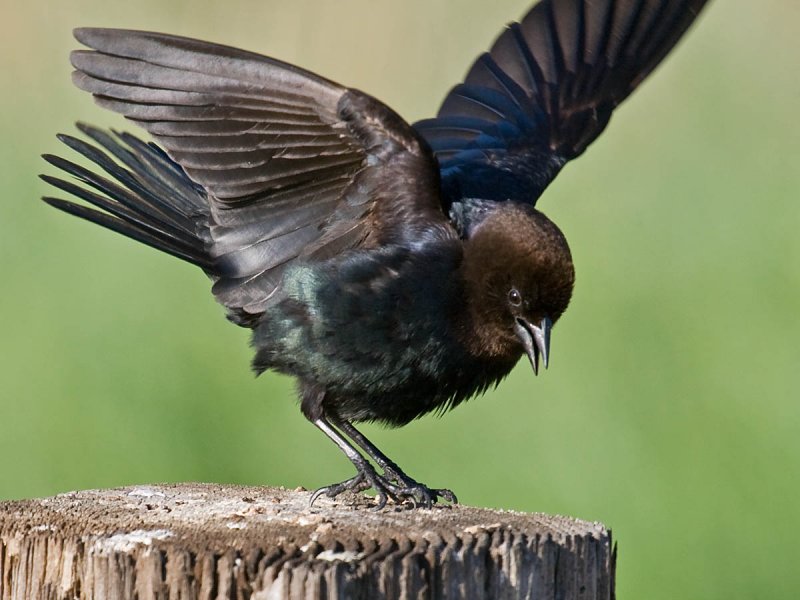 |
| Brown-headed Cowbird, Hines, Oregon, May 24, 2009 by Greg Gillson. |
Swimming Waterbirds
Flying Waterbirds
Wading Waterbirds
Chicken-like Birds
Raptors
Miscellaneous Landbirds
Aerial Landbirds
Flycatcher-like Birds
Thrush-like Songbirds
Chickadee and Wren-like Songbirds
Warbler-like Songbirds
Sparrow and Finch-like Songbirds
Blackbird-like Songbirds
A beginner should be able to quickly place a bird they see into one of these categories.
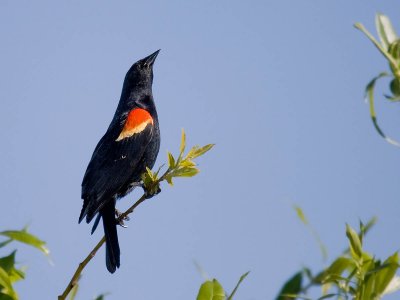
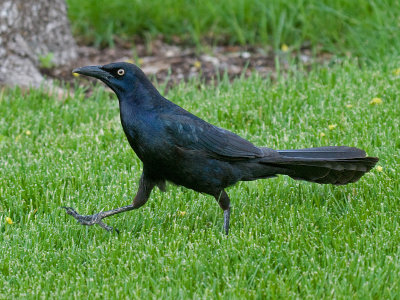
Smaller than crows, blackbirds, starlings, and cowbirds are primarily black in color.


Monday, March 25, 2013
Field-friendly bird sequence
Sparrow and Finch-like Songbirds
 |
| Sage Sparrow, Malheur NWR, Oregon, May 26, 2007 by Greg Gillson. |
Swimming Waterbirds
Flying Waterbirds
Wading Waterbirds
Chicken-like Birds
Raptors
Miscellaneous Landbirds
Aerial Landbirds
Flycatcher-like Birds
Thrush-like Songbirds
Chickadee and Wren-like Songbirds
Warbler-like Songbirds
Sparrow and Finch-like Songbirds
Blackbird-like Songbirds
A beginner should be able to quickly place a bird they see into one of these categories.
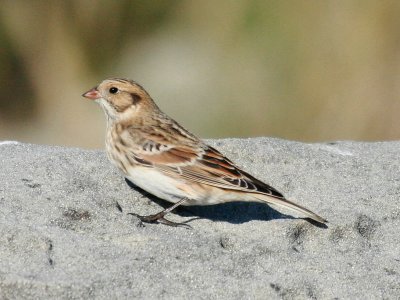
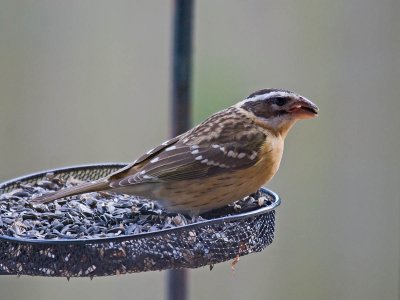
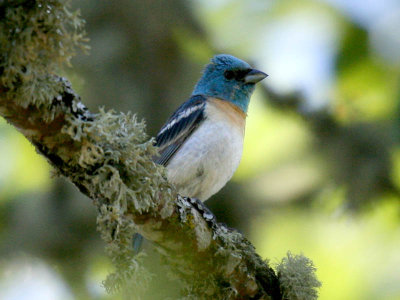
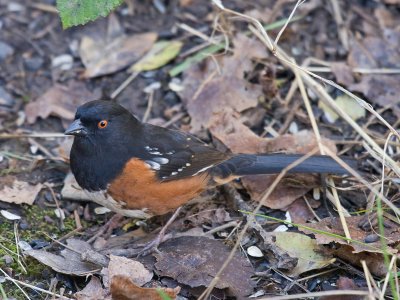
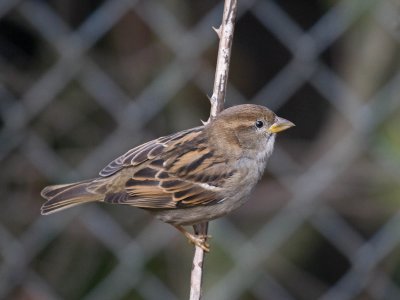
There are many sparrow and finch-like birds. Many grosbeaks, finches, and buntings are quite colorful. Some of the females, however, are streaky and brown--as are many of the sparrows. All share a thicker conical beak for eating seeds. Many are familiar backyard and feeder birds.
Longspurs, sparrows, weavers, finches, buntings, juncos, and others make up this varied group.


Friday, February 8, 2013
Field-friendly bird sequence
Warbler-like Songbirds
 |
| MacGillivray's Warbler, Hayward, Oregon, May 16, 2008 by Greg Gillson. |
Swimming Waterbirds
Flying Waterbirds
Wading Waterbirds
Chicken-like Birds
Raptors
Miscellaneous Landbirds
Aerial Landbirds
Flycatcher-like Birds
Thrush-like Songbirds
Chickadee and Wren-like Songbirds
Warbler-like Songbirds
Sparrow and Finch-like Songbirds
Blackbird-like Songbirds
A beginner should be able to quickly place a bird they see into one of these categories.
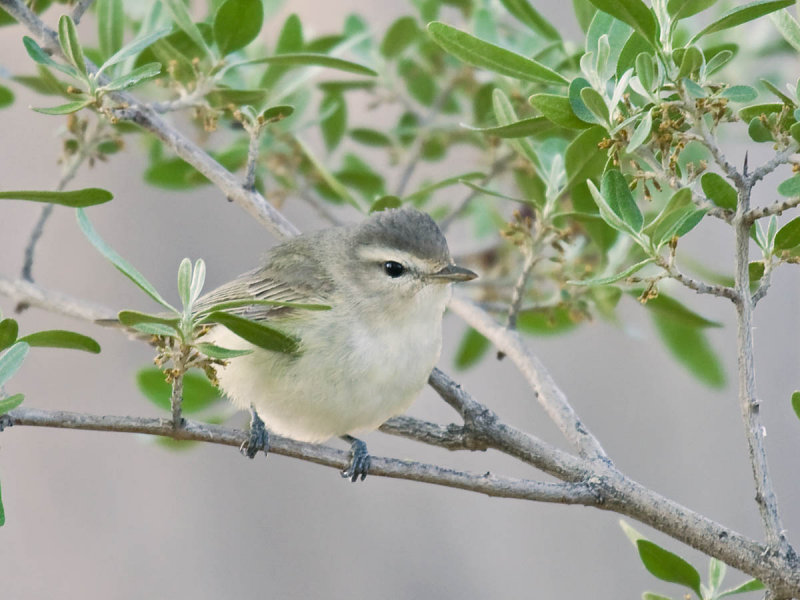
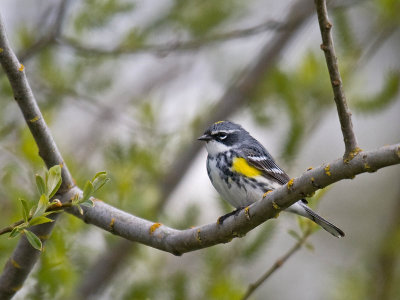
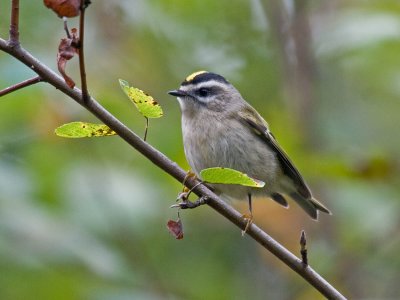
Kinglets, vireos, and warblers are included in this group of birds that are small with short thin bills. They are often found in trees seeking out insects. They are primarily colored in yellow, greens, black, gray, and white.
Thursday, January 10, 2013
Field-friendly bird sequence
Chickadee and Wren-like Songbirds
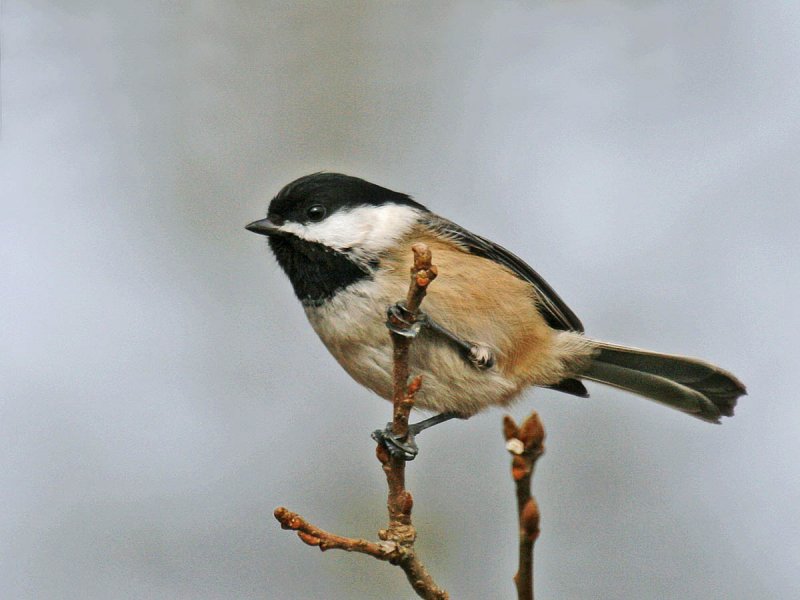 |
| Black-capped Chickadee, Hillsboro, Oregon February 1, 2009 by Greg Gillson. |
Swimming Waterbirds
Flying Waterbirds
Wading Waterbirds
Chicken-like Birds
Raptors
Miscellaneous Landbirds
Aerial Landbirds
Flycatcher-like Birds
Thrush-like Songbirds
Chickadee and Wren-like Songbirds
Warbler-like Songbirds
Sparrow and Finch-like Songbirds
Blackbird-like Songbirds
A beginner should be able to quickly place a bird they see into one of these categories.
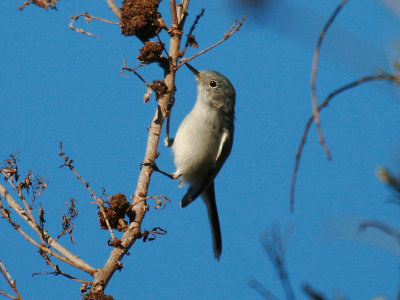
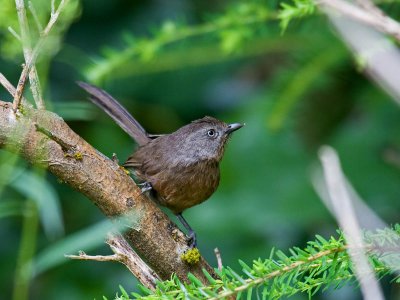
Chickadees, nuthatches, bushtit, creeper, wrentit, wrens, and gnatcatchers make up this grouping of small, plump, active birds found in wooded and brushy habitats. Chickadees and nuthatches frequent bird feeders.
 White-breasted Nuthatch. Hillsboro, Oregon. March 13, 2009 by Greg Gillson.



Monday, December 17, 2012
Field-friendly bird sequence
Thrush-like Songbirds
 |
| Hermit Thrush, Lava Lake, Oregon June 12, 2008 by Greg Gillson. |
Swimming Waterbirds
Flying Waterbirds
Wading Waterbirds
Chicken-like Birds
Raptors
Miscellaneous Landbirds
Aerial Landbirds
Flycatcher-like Birds
Thrush-like Songbirds
Chickadee and Wren-like Songbirds
Warbler-like Songbirds
Sparrow and Finch-like Songbirds
Blackbird-like Songbirds
A beginner should be able to quickly place a bird they see into one of these categories.
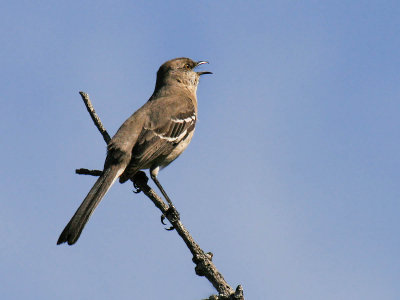
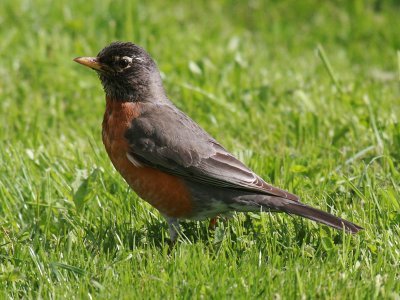
Included in the Thrush-like Songbirds are shrikes, thrashers and mockingbirds, thrushes and bluebirds, dipper, pipits, larks, tanagers, orioles, meadowlarks.
Medium-sized land birds with generally plump bodies and long tails. The American Robin, Mockingbird, and Meadowlark are familiar representatives of this taxonomically diverse group that have a similar body shape.



Saturday, November 3, 2012
Field-friendly bird sequence
Flycatcher-like Birds
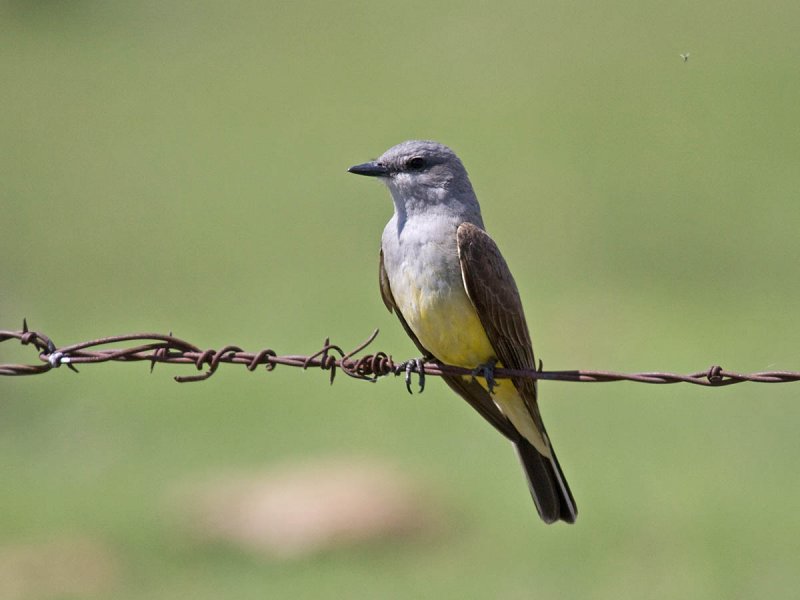 |
| Western Kingbird, Hines, Oregon May 24, 2009 by Greg Gillson. |
Swimming Waterbirds
Flying Waterbirds
Wading Waterbirds
Chicken-like Birds
Raptors
Miscellaneous Landbirds
Aerial Landbirds
Flycatcher-like Birds
Thrush-like Songbirds
Chickadee and Wren-like Songbirds
Warbler-like Songbirds
Sparrow and Finch-like Songbirds
Blackbird-like Songbirds
A beginner should be able to quickly place a bird they see into one of these categories.
The tyrant flycatchers of the Americas are the largest family of birds in the world with over 400 species. They perch upright, have an ample tail, and a rather large head with wide, flat bill. They are mostly colored in greens, yellows, grays, and browns, the Vermilion Flycatcher being one notable exception. They often remain motionless for extended periods of times and then sally forth to snap up flying insects and return to the same or nearby perch.
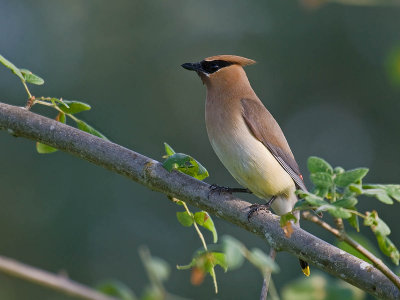
The Phainopepla of the Southwest deserts is blackish with a crest. Waxwings also are similar in general shape and behavior to flycatchers, also with a crest.

Friday, September 21, 2012
Field-friendly bird sequence
Aerial Landbirds
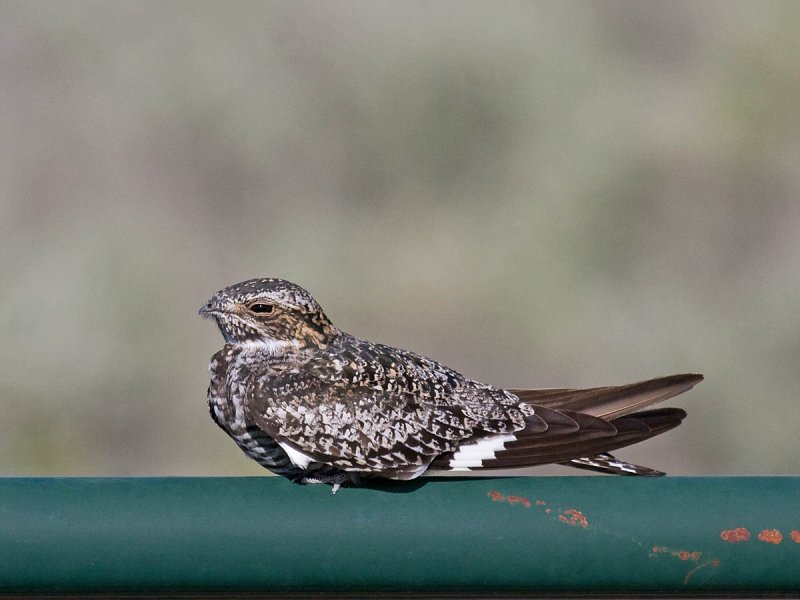 |
| Common Nighthawk. Malheur NWR, Oregon. May 30, 2010 by Greg Gillson. |
Swimming Waterbirds
Flying Waterbirds
Wading Waterbirds
Chicken-like Birds
Raptors
Miscellaneous Landbirds
Aerial Landbirds
Flycatcher-like Birds
Thrush-like Songbirds
Chickadee and Wren-like Songbirds
Warbler-like Songbirds
Sparrow and Finch-like Songbirds
Blackbird-like Songbirds
A beginner should be able to quickly place a bird they see into one of these categories.
Aerial landbirds include nightjars, hummingbirds, swifts, swallows. These birds generally feed on the wing. In other words, while flying. All eat insects, though hummingbirds also feed on nectar.
Nightjars include mostly crepuscular birds such as nighthawks and whip-poor-wills. Hummingbirds and swallows are well-known. Swifts are so adapted to flight and their feet so weak that they are unable to perch on wires, branches, or the ground. Thus they only rest by clinging to crevices in cliffs, the inside of hollow trees, or chimneys.
 | |||||||


Tuesday, August 21, 2012
Field-friendly bird sequence
Miscellaneous Landbirds
 |
| Pileated Woodpecker. Beaverton, Oregon. February 4, 2012 by Greg Gillson. |
The 13 categories of North American birds listed in the Field-friendly bird sequence: Part II are:
Swimming Waterbirds
Flying Waterbirds
Wading Waterbirds
Chicken-like Birds
Raptors
Miscellaneous Landbirds
Aerial Landbirds
Flycatcher-like Birds
Thrush-like Songbirds
Chickadee and Wren-like Songbirds
Warbler-like Songbirds
Sparrow and Finch-like Songbirds
Blackbird-like Songbirds
A beginner should be able to quickly place a bird they see into one of these categories.
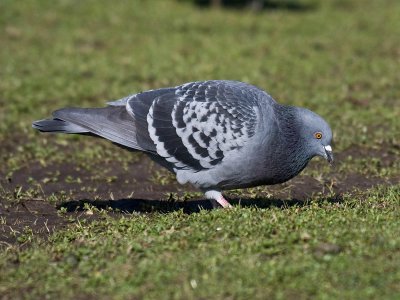
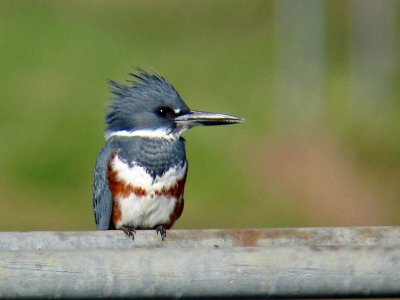
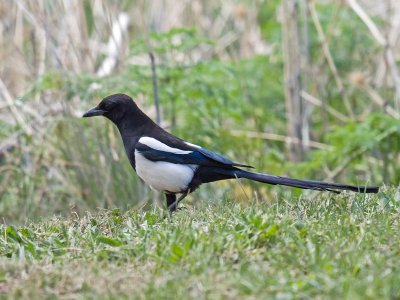
Pigeons, cuckoos, kingfisher, woodpeckers, jays and crows make up this category of odds-and-ends. It seems that no matter what alternative one uses to classify birds, there are always some that don't seem to fit with others. These are generally larger birds; they don't have musical songs; and don't fit into the previous categories we discussed. Most are fairly distinctive and familiar--even to non-birders.
Saturday, July 21, 2012
Field-friendly bird sequence
Raptors
 Barn Owl, Hillsboro, Oregon, 22 October 2009 by Greg Gillson.
The 13 categories of North American birds listed in the Field-friendly bird sequence: Part II are:
Swimming Waterbirds
Flying Waterbirds
Wading Waterbirds
Chicken-like Birds
Raptors
Miscellaneous Landbirds
Aerial Landbirds
Flycatcher-like Birds
Thrush-like Songbirds
Chickadee and Wren-like Songbirds
Warbler-like Songbirds
Sparrow and Finch-like Songbirds
Blackbird-like Songbirds
A beginner should be able to quickly place a bird they see into one of these categories.
Raptors are birds of prey that hunt other birds and animals. They have strong beaks and claws. Many can be seen soaring high overhead, while others hunt low from a concealed perch.
Raptors include vultures, hawks and eagles, falcons, and owls.
 Bald Eagle, Tualatin River NWR, Sherwood, Oregon, 6 July 2010 by Greg Gillson.
 Peregrine Falcon, Hillsboro, Oregon, 29 April 2010 by Greg Gillson.
 Turkey Vulture, Newport, Oregon, 12 September 2008 by Greg Gillson.
 Red-tailed Hawk, Hillsboro, Oregon, 6 December 2008 by Greg Gillson.
Thursday, June 21, 2012
Field-friendly bird sequence
Chicken-like Birds
 Ring-necked Pheasant, Harney Co., Oregon, 27 May 2007 by Greg Gillson.
The 13 categories of North American birds listed in the Field-friendly bird sequence: Part II are:
Swimming Waterbirds
Flying Waterbirds
Wading Waterbirds
Chicken-like Birds
Raptors
Miscellaneous Landbirds
Aerial Landbirds
Flycatcher-like Birds
Thrush-like Songbirds
Chickadee and Wren-like Songbirds
Warbler-like Songbirds
Sparrow and Finch-like Songbirds
Blackbird-like Songbirds
A beginner should be able to quickly place a bird they see into one of these categories.
Chicken-like game birds are well-known to all. Small bills, strong legs, and plump bodies are typical.
Chicken-like birds include grouse and quail, pheasants and turkeys.
 California Quail, Malheur NWR, Harney Co., Oregon, 24 May 2009 by Greg Gillson.
 Ring-necked Pheasant, Malheur NWR, Harney Co., Oregon, 24 May 2009 by Greg Gillson.
Subscribe to:
Posts (Atom)